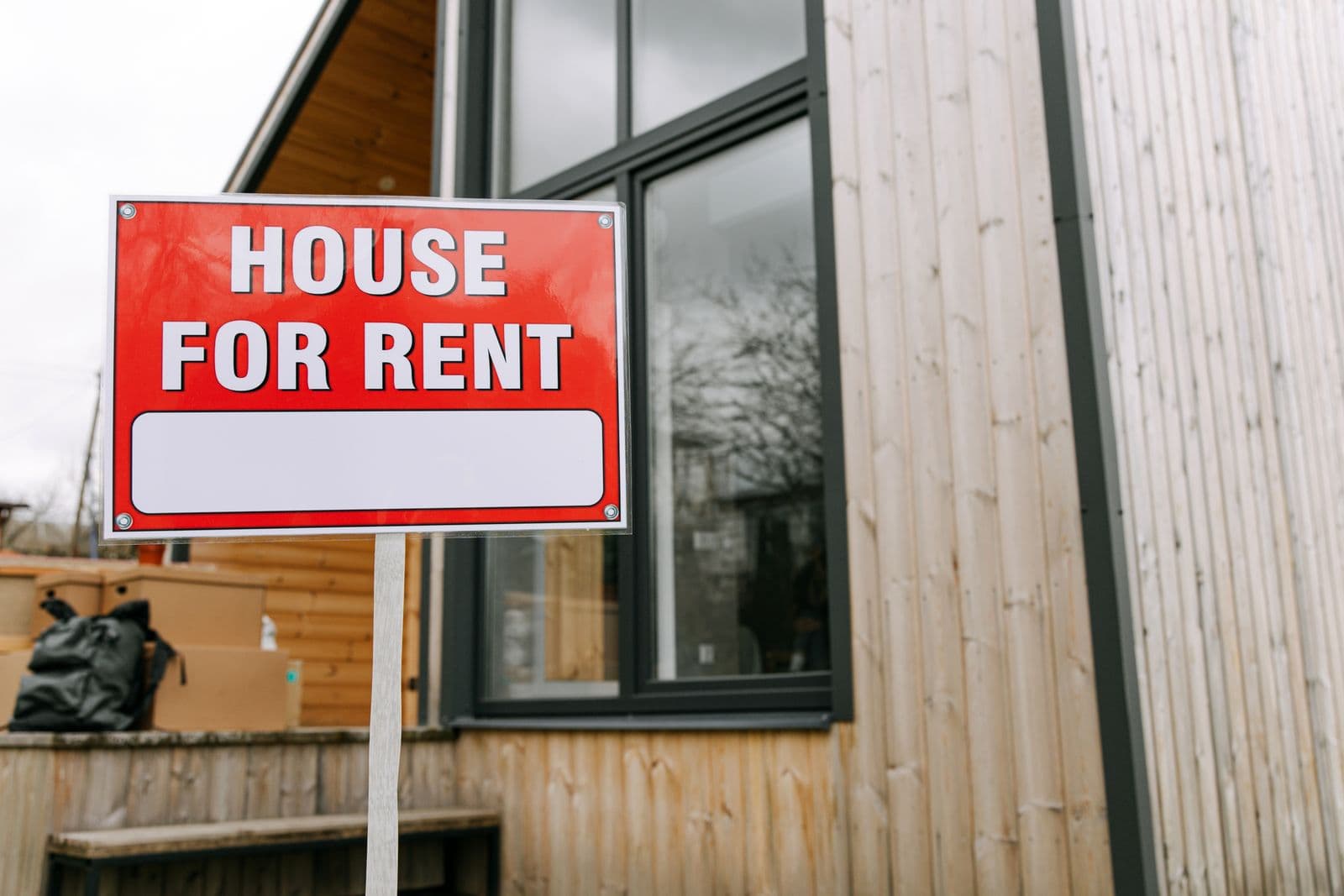
Nobody buys a rental planning to resent it. But somewhere between the third turnover, the water heater that died on a holiday weekend, and the tenant who stopped paying, plenty of Hampton Roads landlords hit the same wall: the property earns less than it costs in money, time, and sleep. If you are there, you are not stuck. A rental can be sold faster than most landlords think, tenants and all.
Can you sell a rental property if you are done being a landlord?
Yes, and you do not have to wait for the unit to empty out. In Virginia, a lease stays with the property, not the person who signed it as owner. Sell the rental, and the buyer steps into your side of the lease at closing. The tenant's terms do not change; your obligations end.
That single fact removes the biggest thing that keeps tired landlords trapped: the belief that they must first get the tenant out, renovate the unit, and then list it. That path exists, but it is the slow, expensive one. The direct path is selling the property as it stands, occupied or vacant, to a buyer who purchases rentals for a living.
What does Virginia law say about tenants when you sell?
The Virginia Residential Landlord and Tenant Act (VRLTA) governs most residential rentals in the state. The parts that matter when you sell:
- Fixed-term leases run their term. A 12-month lease does not end because the property sold. It transfers to the new owner, who collects the rent and carries the obligations.
- Month-to-month tenancies can be ended with notice. Under Va. Code 55.1-1253, either party may terminate with written notice served at least 30 days before the next rent due date, unless the rental agreement sets a different period. Useful if a buyer wants the property vacant, but with a cash buyer who keeps tenants in place, you usually do not need it.
- Security deposits transfer with the sale. The deposit obligation follows the property, and the title company accounts for it at closing.
A licensed brokerage handles this routinely. The lease, the deposit, and the prorated rent all get settled on the closing statement, the same way taxes do.
Should you sell with tenants in place, or empty the unit first?
This is the fork in the road, and the honest answer depends on how much more landlording you can stomach.
If the property still cash-flows and you merely need a break, better management might be the answer, and we will tell you that when it is true. But when the honest math says the rental is costing you money and peace, converting it to cash in two weeks beats renovating a unit you never want to see again.
Why do cash buyers work well for tired landlords?
Because the two problems that make rentals hard to sell conventionally, condition and occupancy, are not problems for a direct buyer. In cash closings across Hampton Roads, tenant-occupied properties with deferred maintenance are the most common purchase we make, not the exception.
A direct sale means:
- No make-ready. Years of wear, dated kitchens, and the repair list you have been deferring all transfer with the property.
- No showings around a tenant's schedule. Nobody needs 24 hours of notice and a clean living room 15 times.
- A closing date you pick. Rent, deposits, and taxes prorate on the settlement statement, handled by a licensed title company.
Norfolk is one of the most renter-heavy markets in Virginia, and military rotations through the region keep rental turnover constant. We buy rentals across Norfolk and the rest of Hampton Roads year-round, from single houses to small portfolios.
How does the sale actually work?
NetWorth Realty of Virginia Beach is a licensed Virginia brokerage, led by Principal Broker Matt Beck, VA License #0225274455. We look at the property, the lease, and the numbers, then make a written cash offer. If it works for you, closing runs through a licensed title company in about 10 to 14 days. Our guide on how a cash home sale works in Virginia walks the process step by step.
And because we are a brokerage, not just a buyer: if listing the property would genuinely net you more and you have the appetite for the process, we will say so before you sign anything.
Being a landlord is a job. If the job stopped paying you back, quitting it is allowed. Get a real number on the property, weigh it against another year of turnovers, and decide from there.