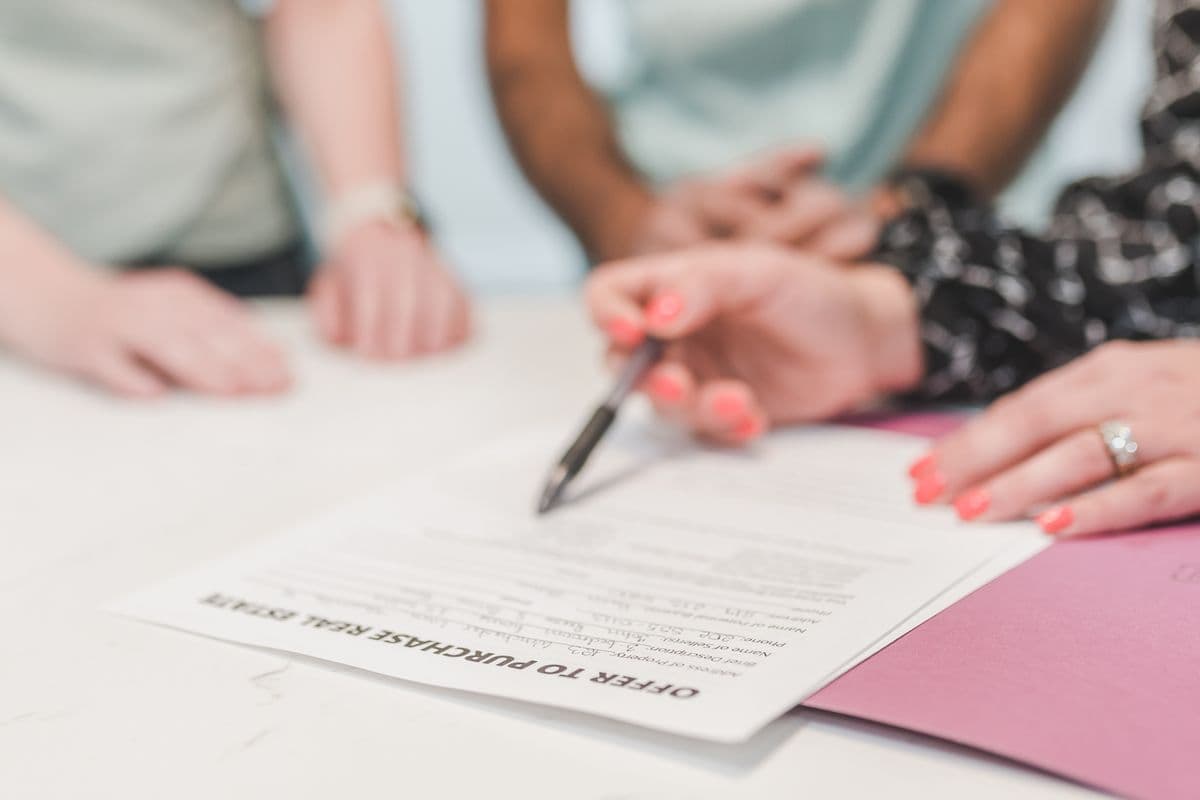
If you have seen the "we buy houses for cash" signs around Hampton Roads and wondered whether the people behind them are for real, that instinct is worth keeping. Most cash buyers are legitimate, and selling to one is a normal way to move a house fast without repairs, showings, or a buyer's mortgage falling through. But the category is easy to enter, so a few bad actors ride along with the honest ones, and the sign itself tells you nothing about which is which.
The good news is that you do not have to guess. A short list of checks separates a real, accountable buyer from someone you should walk away from, and in Virginia most of those checks are public and free.
Are cash home buyers actually legitimate?
Yes, the large majority are legitimate businesses, and a cash sale is a real transaction, not a gimmick. Homeowners across Hampton Roads sell for cash every week because it is quick and certain, and it takes the house as-is.
The reason the question comes up at all is that "cash buyer" is not a protected title. Anyone can order signs and build a website overnight, which means the label covers everyone from a licensed local brokerage that closes dozens of homes a year to an anonymous person who found your address on a list. The work for you is not deciding whether cash buyers as a group are legit. It is verifying the one who contacted you.
How can you tell a legitimate cash buyer from a bad one?
You compare what they will show you against what they dodge. A real buyer is happy to prove who they are, that they have the money, and exactly what they are offering in writing. A bad actor gets vague, applies pressure, or asks you for something first.
Here is the side-by-side that sorts most buyers in a single conversation:
If a buyer clears the left column, you are almost certainly dealing with a real business. If they land in the right column even once, slow down.
How do you verify a cash buyer's license in Virginia?
Ask for the name and license number, then check it yourself on the state's free lookup. In Virginia, real estate brokers and salespeople are licensed by DPOR, the Department of Professional and Occupational Regulation, and that license history is public.
Go to the DPOR license lookup at dpor.virginia.gov, search the name or firm, and confirm the license is active and in good standing. This one step does a lot of work: a licensed brokerage is a known, regulated entity with a record and a real address, and it has a professional license on the line in every deal. That is the real difference between a licensed brokerage and an anonymous offer. The brokerage answers to that license on every deal and can lose it for acting in bad faith, so it has a strong reason to treat you straight.
What are the biggest red flags of a cash home buyer scam?
The clearest warning sign is anyone who wants money or a signature from you before they have earned your trust. Real cash buyers pay you; they do not collect from you.
Watch for these specifically:
- Pressure and urgency. A buyer who insists you sign today, before you can read the contract or check their license, is managing you, not helping you.
- Any request for upfront money. Application fees, processing fees, a deposit to "hold" the offer, gift cards, or a wire transfer are all scam signals. Legitimate buyers never charge the seller to buy the house.
- No proof of funds. If they claim to pay cash but will not show a bank statement or a proof-of-funds letter, they may not have the money to close.
- No written contract, or one that keeps changing. Real offers live in a written contract. Be wary of a buyer who lowers the price late, after you are committed and it is hard to back out, without a legitimate reason.
- A missing paper trail. No local address, no license, no reviews, and no named people is the profile of someone who does not plan to be reachable later.
One term worth knowing: earnest money is a good-faith deposit the buyer typically places into an escrow account to show they are serious. It flows from the buyer, held by a neutral third party. If someone tries to reverse that and pull a deposit from you, that is backwards, and a signal to stop.
Is it safe to sell to a cash buyer if you are in a tough spot?
It can be, and for a lot of homeowners a fast, honest cash sale is the cleanest way out of a bind before it gets worse. Selling for cash to a legitimate buyer is a real way out, whether you are behind on payments, dealing with an inherited house, or just need to move quickly.
The one caution is that pressure works against you here. Scammers look for sellers who feel out of time, because a rushed person skips the checks. Being in a tough spot is the reason to verify a buyer, not the reason to skip it. The four steps take about an hour, and any real buyer will wait that hour without complaint. For the full picture of what an honest cash transaction looks like start to finish, read our guide on how a cash home sale works in Virginia.
How NetWorth Realty keeps the transaction verifiable
NetWorth Realty of Virginia Beach is a licensed Virginia brokerage led by Principal Broker Matt Beck, VA License #0225274455, and everything above is how we expect to be checked. You can look up our license on DPOR, you get the offer in a written contract you keep, we charge you no fees, and we have a local address, a real team, and public reviews across Hampton Roads.
We also try to earn the trust rather than push for it. When we look at your house, your payoff, and your timeline, we give you a straight answer, and if listing on the market would net you more than a cash sale, we will tell you that too. If you want the local picture first, our Virginia Beach cash home buyer page walks through what to expect. So do not sign under pressure. Get the name, check the license, read the contract, and confirm the money is real, then decide from there.