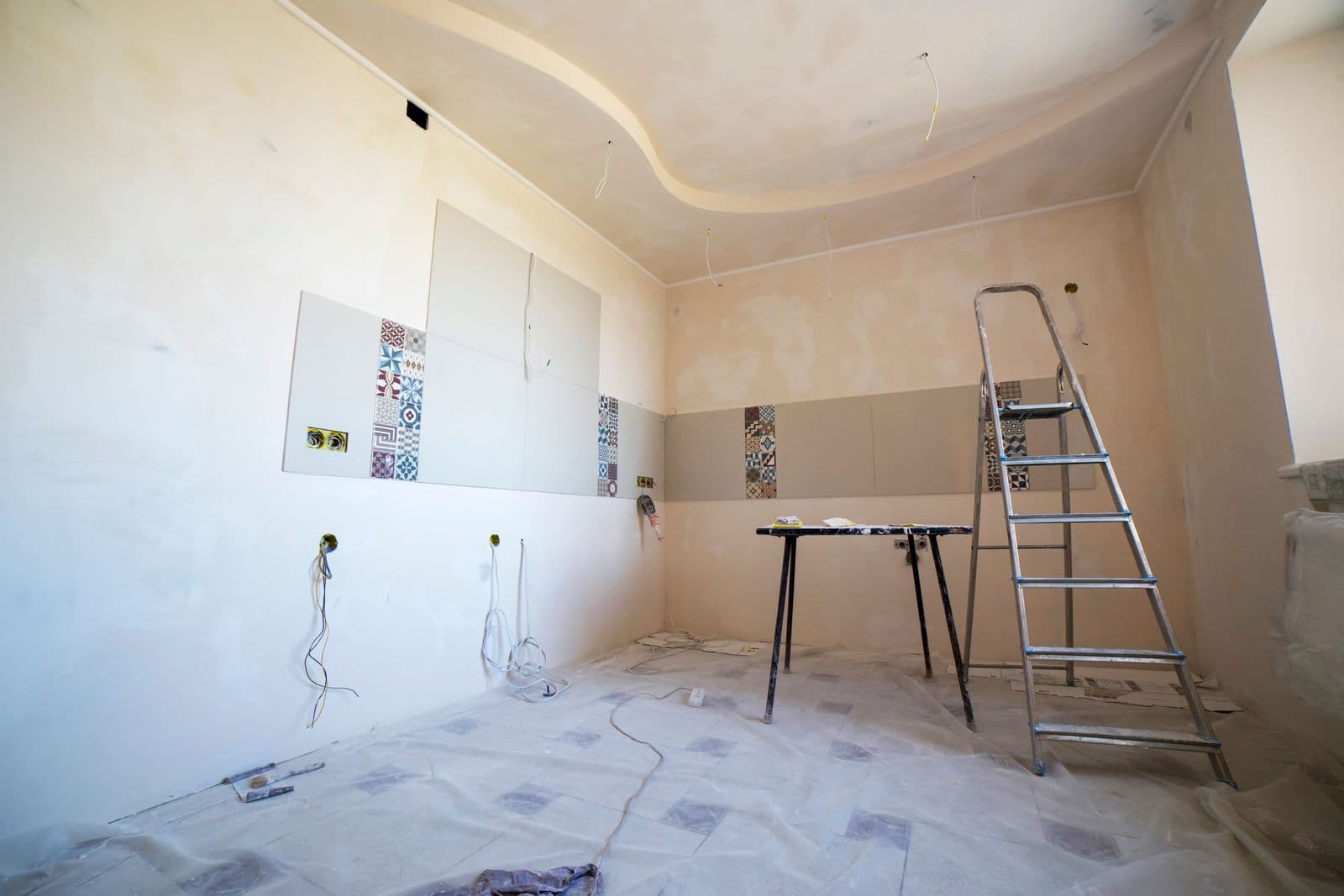
Every homeowner with a long repair list runs the same mental loop: fix it up and sell it for more, or sell it as it sits and be done. The loop usually stalls on money, because the roof, the HVAC, and the bathroom all want five figures you would rather not spend on a house you are leaving.
Here is the way out of the loop: run the actual math, and know that in Virginia, selling as-is is not some discount backdoor. It is how the law already works.
Is it legal to sell a house as-is in Virginia?
Yes, and more than legal, it is the default. Virginia's Residential Property Disclosure Act (Va. Code 55.1-703) is built on buyer beware: the standard disclosure statement says the owner makes no representations or warranties about the condition of the property, and advises buyers to exercise whatever due diligence they deem necessary.
As-is simply means the buyer takes the property in its current condition, with no repairs or credits from the seller. Two honest caveats: you cannot actively hide a defect or lie when asked directly, and a handful of specific items carry their own disclosure rules. A licensed brokerage keeps you on the right side of both.
Should you repair the house or sell it as-is?
Treat it as an investment decision, not a pride decision. The question is never "would the house be worth more fixed up?" It always would be. The question is whether the gain beats the cost, the months of work, and the risk of surprises mid-project.
The row most sellers underestimate is the inspection renegotiation. On a house that needs work, the conventional path often means paying for repairs twice: once in the reduced offer, then again in the credits the buyer demands after the inspection. The deals that collapse there put the house back on the market with a stigma attached.
Which repairs never pay you back?
The expensive, invisible ones. Buyers pay for kitchens they can see, not for the new sewer line under the yard. In cash closings across Hampton Roads, the pattern repeats: sellers who funded major mechanical repairs before selling almost never got that money back in the price.
- Roof, HVAC, water heater: expected to work, so replacing them mostly removes an objection rather than adding value.
- Foundation and structural work: costly, slow, and buyers stay nervous even after the fix.
- Full kitchen and bath remodels: the classic money pit before a sale; your taste choices become the next owner's renovation plans anyway.
Much of Hampton Roads' housing stock, especially in the older neighborhoods of Hampton, Newport News, and Norfolk, was built decades ago, so long repair lists are normal here, not shameful. They are also exactly what direct buyers price for every day.
How does an as-is cash sale actually work?
NetWorth Realty of Virginia Beach is a licensed Virginia brokerage led by Principal Broker Matt Beck, VA License #0225274455, and we buy houses in as-is condition across all seven Hampton Roads cities. The process is short: we look at the house, make a written cash offer that accounts for the work it needs, and close through a licensed title company in about 10 to 14 days, with no repairs, no showings, and nothing to clean out.
Fair warning from a broker: if your house is in solid shape and only needs cosmetic touch-ups, listing it may net you more, and we will tell you that to your face. Our cash offer vs. listing guide lays out the real math for both paths.
A house that needs work is still an asset. Skip the renovation loan, skip the months of contractors, and find out what it is worth exactly as it sits. Sometimes the smartest repair is the one you never make.